

Healthcare awareness in the Philippines has been increasing tremendously over the past few years, particularly with regards to preventive care. One of the significant yet not-so-well-known areas of adult immunization is the shingles vaccine Philippines. As more individuals live longer and have underlying health conditions, it has become essential to know about shingles and how to be protected from it.
Understanding Shingles and Its Risks
Shingles or herpes zoster is a viral infection brought about by the reactivation of the same virus responsible for causing chickenpox. The virus remains dormant in the body after recovery from chickenpox and may recur later in life in the form of shingles. It generally occurs in the form of painful rash or blisters, usually one-sided, either on the body or face, with burning, tingling, or nerve pain.
Although anyone who has had chickenpox is susceptible, adults over the age of 50, and those with compromised immune systems, are in the most danger. In the Philippines, where the elderly population is consistently growing, the zoster vaccine Philippines has never been more important.
Why Protection Matters Today
There are a number of reasons why becoming protected from shingles is more essential now than in previous times:
- Increased Life Expectancy: Filipinos living longer also mean the naturally increased chances of getting shingles.
- Effect on Quality of Life: Aside from the painful rash, shingles can contribute to postherpetic neuralgia, a prolonged nerve pain syndrome that could persist for months or even years.
- Healthcare Impact: Treatment for shingles and its complications is expensive and emotionally taxing, which makes prevention via the shingles vaccination Philippines a good health decision.
Prevention of shingles not only protects individual health but also minimizes the burden on the nation’s healthcare system.
The Role of Shingles Vaccines
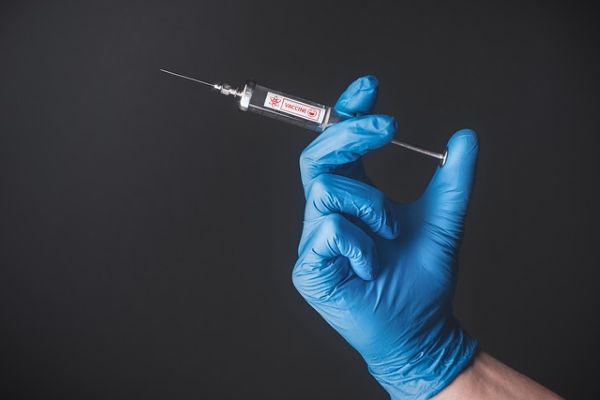
Vaccination is the main means of prevention. New vaccines are formulated to strengthen the immune system against the varicella-zoster virus, greatly reducing the risk of contracting shingles and its complications.
The shingles vaccine Philippines is indicated for persons aged 50 and above, and younger persons with weakened immune systems. Although it does not completely safeguard against the disease, it significantly lessens the severity and duration of the condition if shingles occurs.
Shingles Vaccine Cost in the Philippines
One of the most shared issues for most individuals is the cost of shingles vaccine Philippines. Rates differ as per the clinic, hospital, or doctor. On average, it can cost anywhere from several thousand pesos for each dose, and certain vaccines might need more than a single shot.
While the initial cost might be prohibitive, it typically turns out to be cheaper than treating an extended period of shingles complications, managing associated pain, and visits to the hospital. For most, prevention investment is much cheaper in the long term.
Accessibility and Where to Get Vaccinated
Vaccine access has also been enhanced in the past few years with most hospitals, clinics, and community health centers providing adult immunization. Certain health platforms also offer convenient scheduling and information on the zoster vaccine Philippines to make it easier for Filipinos to safeguard themselves without having to wait in queues.
Applying for the shingles vaccination Philippines appointment has become easier, with some of the centers providing online booking and consultation services to assist clients in determining the most suitable vaccination schedule for their individual requirements.
Taking Preventive Health Seriously
The increase in preventable illnesses such as shingles among Filipinos emphasizes the significance of preventive healthcare. Not only is avoiding shingles about not experiencing a painful ailment—it is also about maintaining independence, productivity, and peace of mind.
As increasing numbers of Filipinos appreciate the importance of preventive medicine, the shingles vaccine presents itself as a crucial component of adult healthcare. For those who qualify, talking to a healthcare provider and learning about vaccination as an option is a sensible next step toward a healthier tomorrow.