
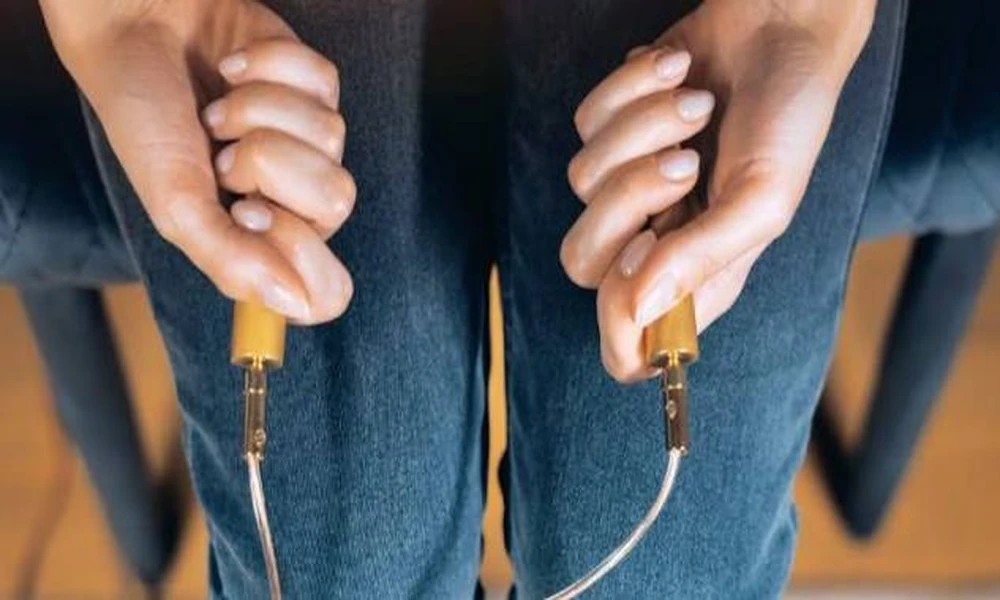

Completing a wellness session can leave people wondering what to expect next. Whether someone is exploring complementary approaches for relaxation, general wellbeing, or as part of a broader wellness plan, understanding the period after a session can make the experience more comfortable and predictable.
The immediate experience can vary from person to person. Some people may feel relaxed, while others may notice temporary sensations such as tiredness or changes in how they feel. The response can also depend on the individual’s overall health, the type of session provided, and other wellness practices being followed.
Immediately After the Session
After a bioresonance treatment session, the practitioner may discuss how the individual felt during the procedure and whether any sensations were noticed. This provides an opportunity to identify anything that may be relevant when planning future sessions.
Some people may feel calm or relaxed immediately afterward. Others may simply return to their normal activities without noticing a significant change. There is no single response that everyone should expect, and individual experiences can differ.
Taking a few quiet moments before leaving may be useful, particularly if the session was relaxing. Drinking water and maintaining regular meals and daily routines can also support general wellbeing.
Temporary Changes You May Notice
Some complementary therapy providers describe temporary sensations following a session, although experiences are not necessarily the same for everyone. These may include tiredness, warmth, tingling, or a general feeling of relaxation.
Such sensations should not automatically be interpreted as evidence that a particular health condition has improved or that a treatment has produced a specific physiological effect. Instead, they can be viewed as individual responses that are worth discussing with the practitioner if they are unusual, persistent, or concerning.
If a person develops a significant or unexpected symptom after any wellness procedure, appropriate medical advice should be sought rather than assuming the symptom is part of the expected response.
How the Rest of the Day May Feel
For many people, the remainder of the day can continue normally after a bioresonance therapy. Depending on how someone feels, they may choose to keep their schedule relatively relaxed and pay attention to their body’s responses.
Getting adequate sleep, eating balanced meals, staying hydrated, and maintaining regular physical activity are important foundations of general health regardless of whether someone uses complementary therapies.
It can also be useful to avoid making major changes to prescribed medication or an established medical treatment plan based solely on how someone feels after a session. Complementary approaches should be discussed with a qualified healthcare professional when they are being used alongside treatment for a medical condition.
Keeping Track of Your Experience
Recording how you feel before and after each session can help provide a clearer picture of your personal experience. A simple journal could include the date of the session, sleep quality, energy levels, mood, physical sensations, and any other relevant observations.
This type of record can be particularly helpful when several sessions are planned. Rather than relying on memory, individuals can review whether they have noticed consistent patterns over time.
However, subjective changes should be interpreted carefully. Feeling more relaxed after a session, for example, does not necessarily establish that the session has treated an underlying medical condition. Scientific evidence surrounding bioresonance remains limited for many proposed uses, so observations should be considered alongside appropriate medical assessment when health concerns are involved.
When Is the Next Session?
The timing of another bioresonance treatment session can depend on the individual’s goals, the provider’s approach, and the overall wellness programme. There is no universally applicable schedule that suits everyone.
A practitioner may recommend allowing time between sessions to observe how the person responds. During follow-up discussions, the practitioner can review the individual’s experience and determine whether continuing the sessions is appropriate within the intended wellness plan.
People should also feel comfortable asking questions about the purpose of each session, what will happen during future appointments, and what outcomes can reasonably be monitored.
Complementary Care and Medical Treatment
Bioresonance is generally positioned within complementary or holistic health settings. This means it may be used alongside other approaches rather than replacing established medical diagnosis and treatment.
This distinction is important. If someone has persistent pain, unexplained symptoms, a new diagnosis, or a condition requiring medical management, they should continue appropriate consultations, investigations, and prescribed treatments. Major medical organizations and clinical resources emphasize that bioresonance should not be relied upon as a substitute for established medical care.
People who are taking medications or receiving treatment for an ongoing condition should also inform their healthcare providers about complementary therapies they are using. Open communication can help different aspects of care work together safely.
Conclusion
Knowing what may happen after a session can help people approach complementary wellness services with realistic expectations. A person may feel relaxed, notice temporary sensations, or experience little noticeable change at all.
The most useful approach is to monitor personal experiences, communicate openly with practitioners, and maintain established healthy habits. When used as part of a broader wellness strategy, bioresonance treatment can be considered alongside other complementary practices while conventional medical care remains an important part of responsible health management.