
Missing the crisp feel of real ice? That doesn’t mean your hockey shot accuracy has to suffer. Whether the lakes are melting or you live miles away from a rink, hockey players have never had more options to sharpen their shots without relying on natural ice. The secret lies in creative training, the right equipment, and a willingness to redefine your practice environment.
How Can You Practice Hockey Shot Accuracy Without Natural Ice?
Practicing without ice presents unique challenges for players accustomed to glide, speed, and the traditional feel of a rink. Movement is restricted, puck glide changes, and the subtle feedback from real ice disappears. Many players find their timing and weight transfer are suddenly off, making it tempting to blame their tools instead of addressing technique.
Yet, these obstacles also present an opportunity. Off-ice training environments encourage focus on mechanics, repetition, and innovative drill work. With the right mindset and setup, you can transform a garage, basement, or synthetic rink into a year-round shot accuracy lab.
What Are the Challenges of Training Off-Ice?
Without the natural slide of ice, replicating game scenarios can be difficult. Skates grip instead of glide. Pucks can catch or bounce unpredictably. Some drills that depend on full-speed skating become impossible. However, this extra resistance can help develop shooting power and stability, as you’re forced to engage more muscles for each shot.
How Do Synthetic Ice Surfaces Compare to Real Ice?
Synthetic ice panels offer a middle ground, mimicking the friction and resistance of natural ice while providing a surface that feels familiar to skates. The best synthetic ice rinks allow for skating, stickhandling, and shooting, although slight differences in glide and puck speed still exist. Over time, players adapt and use these subtle changes to their advantage, building strength and precision that translates to real-ice performance.
What Equipment Enhances Shooting Accuracy Indoors?
Choosing the right stick and puck for indoor or synthetic practice is crucial. Standard ice hockey sticks generally work well, but blade tape may need to be replaced more often due to increased friction. Sticks with slightly stiffer flex can help maintain snap on pickier surfaces.
Which Stick Types Work Best on Synthetic Surfaces?
Composite sticks tend to withstand the demands of synthetic ice better than wooden models. Look for a blade with reinforced edges or a protective covering to extend its life. Avoid older sticks with cracks or loose blades, as abrasive surfaces will accelerate wear.
How Can Pucks and Balls Be Adapted for Off-Ice Use?
Regulation pucks work best on high-quality synthetic ice. For tile or hard floor shooting, specialized off-ice pucks and balls provide smoother roll and reduced bounce. Weighted pucks or balls can strengthen wrist and forearm muscles, helping with shot power and accuracy.
What Techniques Adapt Best to Synthetic Ice Training?
Improving shot accuracy off-ice requires slight tweaks to your technique.
– Shooting Stance: Widen your base to maintain balance on less slippery surfaces.
– Weight Transfer: Emphasize the shift from back foot to front, focusing on deliberate, controlled movement.
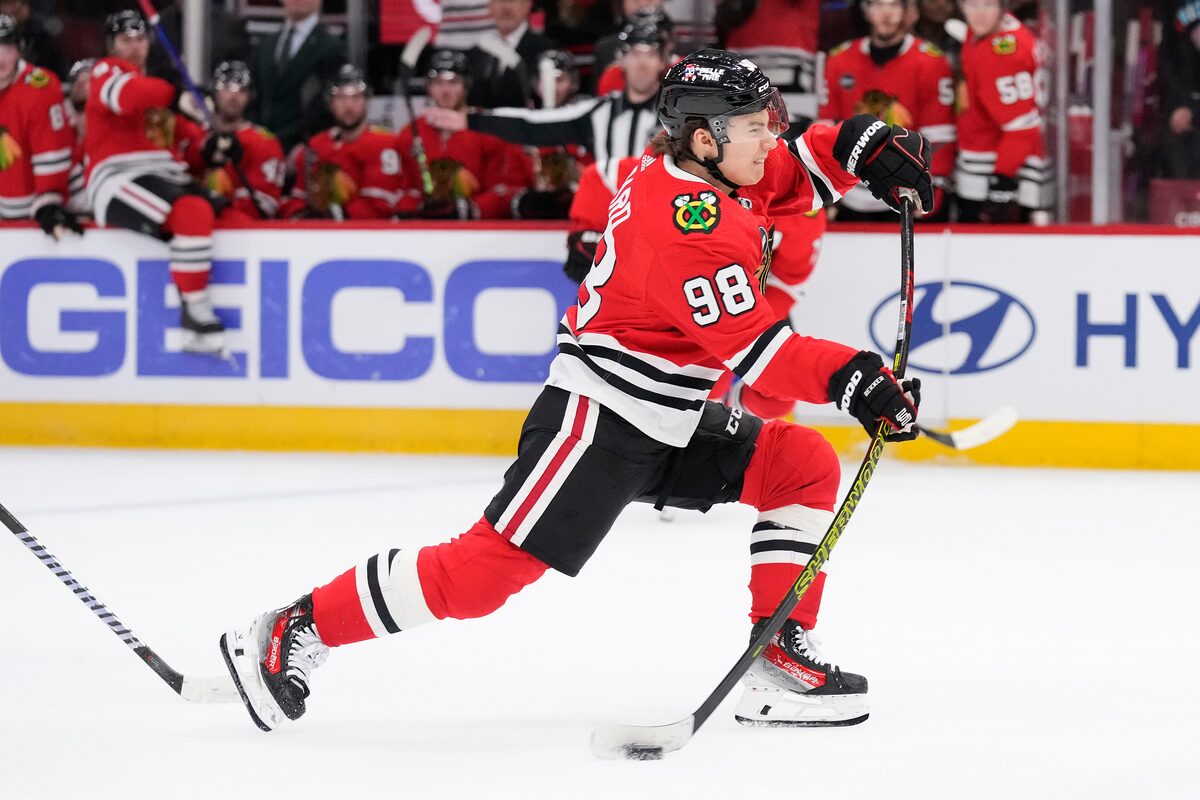
– Release Point: Work on a quick, consistent release, as the puck encounters more resistance than on natural ice.
Drills to Improve Shot Precision Without Sliding on Ice
Set up stationary shooting drills targeting different parts of the net. Use markers or small targets in the corners and move around the synthetic surface with short shuffles. Dryland stickhandling into a quick shot mimics game pressure. Repetition is key.
How Can Simulated Indoor Rinks Improve Your Shot Accuracy?
Not all indoor spaces are created equal. Simulated rinks like the West-End Montreal simulated indoor ice skating facility provide a state-of-the-art surface that feels remarkably close to real ice. The year-round availability makes it possible to break free from seasonal restrictions and keep your training consistent.
What Features Make Simulated Rinks Effective Training Tools?
– Authentic skate feel and resistance.
– Marked zones for shooting and puck handling.
– Space for goalie and passing drills, not just shooting.
How to Use Simulated Rinks for Year-Round Practice
Book hourly sessions to run through personal shooting routines, or join clinics where coaches can provide targeted feedback. The controlled environment means you can focus on mechanics, not just brute force.
What Are the Best Targeting Drills for Off-Ice Accuracy?
Shooting accuracy starts with consistency and challenge. Start with basic corner targets, then progress to smaller or moving targets as confidence grows.
How to Set Up Shooting Targets Indoors
Use foam pads, hanging water bottles, or vinyl targets attached to the net. Position them at different heights and corners, aiming for quick, repeatable release.
Progressive Difficulty Drills to Track Improvement
– Time-based accuracy challenges (e.g., hit all four corners in under 30 seconds).
– Reduce target size as your accuracy improves.
– Add skating leg movements or stickhandling before each shot.
How Can Video Analysis and Feedback Accelerate Accuracy Gains?
Recording your shot can reveal flaws and improvements invisible to the naked eye. Use your phone or tablet to capture both side and front angles. Compare your form with professional shooters or past sessions to track progress.
Tools for Recording and Reviewing Shots
Tripods and slow-motion apps make feedback easy. Mark key release points and body alignments to spot weaknesses.
Using Slow Motion to Correct Technique Flaws
Pausing frame by frame lets you isolate mistakes, maybe the stick blade isn’t closed, or your weight shifts late. Correcting these details can make the difference between a missed target and a bar-down snipe.
How Can Off-Ice Training Complement On-Ice Performance?
Synthetic ice and off-ice skill work are not replacements, but valuable supplements to on-ice time. Alternating between the two maximizes muscle memory and confidence. Mental training, visualization, breathing, and focus routines, translates just as well to the ice.
Where Can Players Access Quality Off-Ice Training Facilities?
Cities across North America now support synthetic rinks, athletic clubs, and hockey-specific training centers. Consider:
– Surface quality and skate compatibility.
– Access to shooting lanes and targets.
– Coaching or clinic availability.
Choosing the right facility depends on your skill level, goals, and budget. The best spaces replicate the real-ice experience while fostering innovation in training routines.
In the end, perfecting your shot doesn’t depend on freezing temperatures or outdoor rinks. With the right mindset, tools, and environment, your shot accuracy can become an all-season weapon, anywhere you lace up.